Savanna: All-Source Intelligence
The trust-your-sources thesis, a decade before Calafai
The Problem
Analysts drown in data, structured and unstructured, classified and open, with no way to pull it into one comprehensive, defensible story. And often, showing the story (on a map, a timeline, a network) is far more powerful than telling it.
What I Built
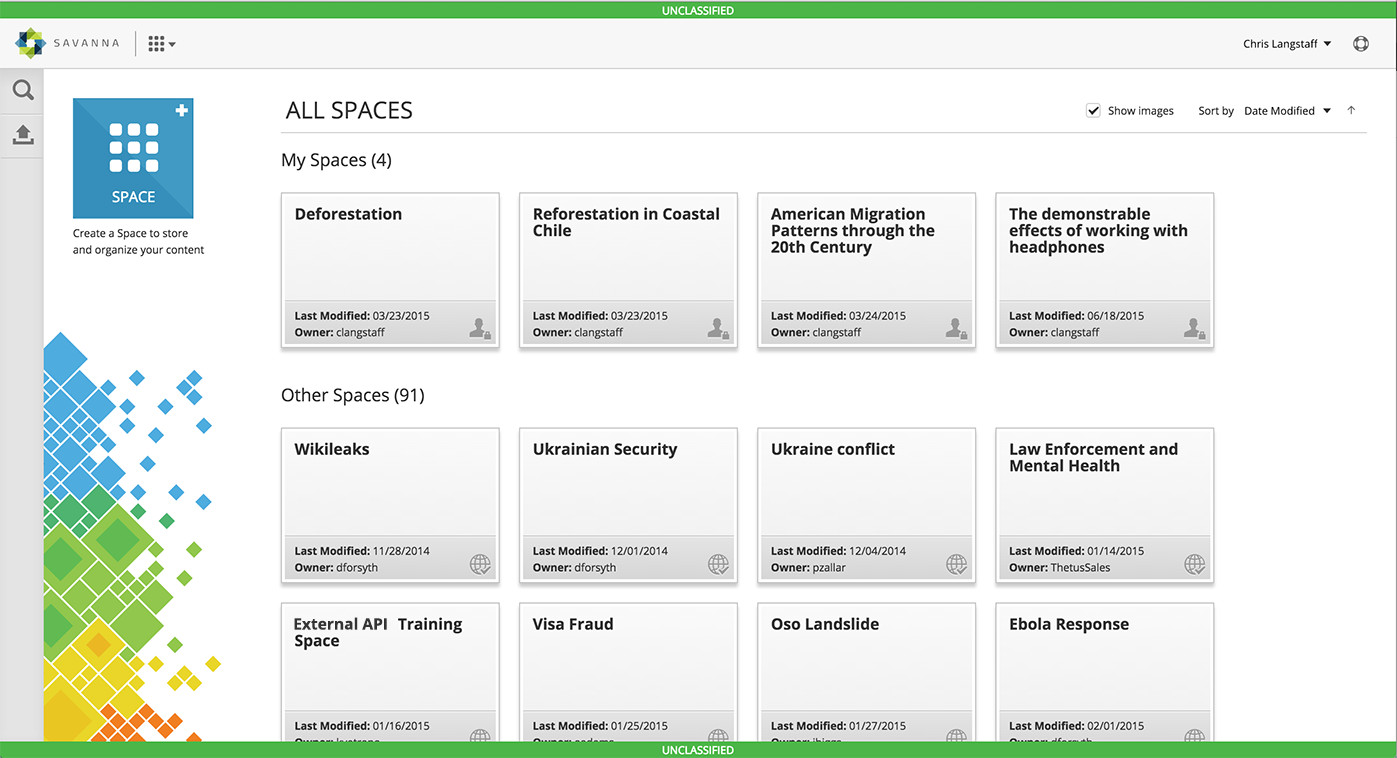
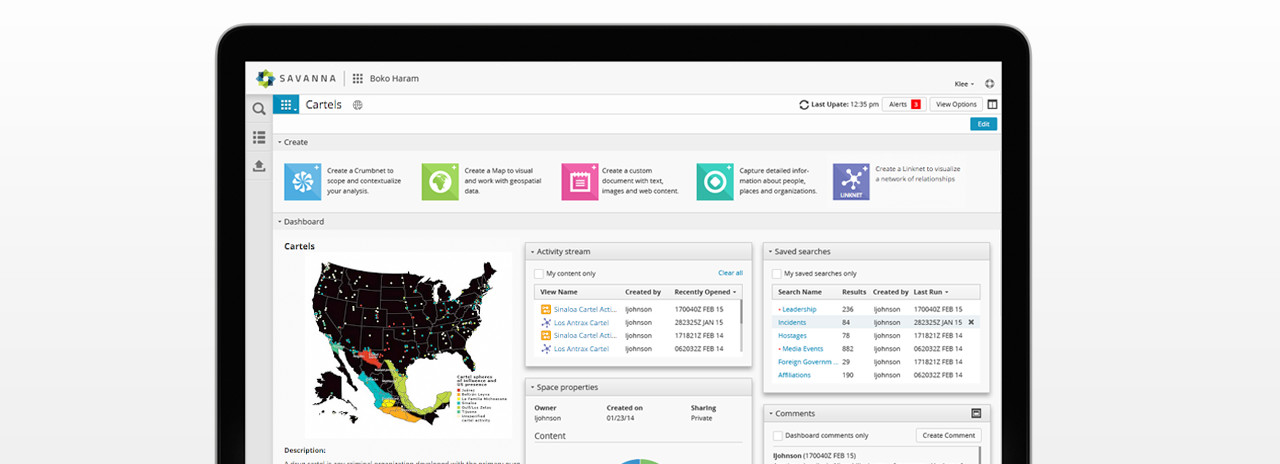
Savanna was Thetus Corporation's collaborative, all-source analysis platform, used across government, defense, and enterprise intelligence to discover, integrate, and synthesize enormous, fragmented datasets. As Lead of Software Engineering, I shipped the features analysts lived in every day.
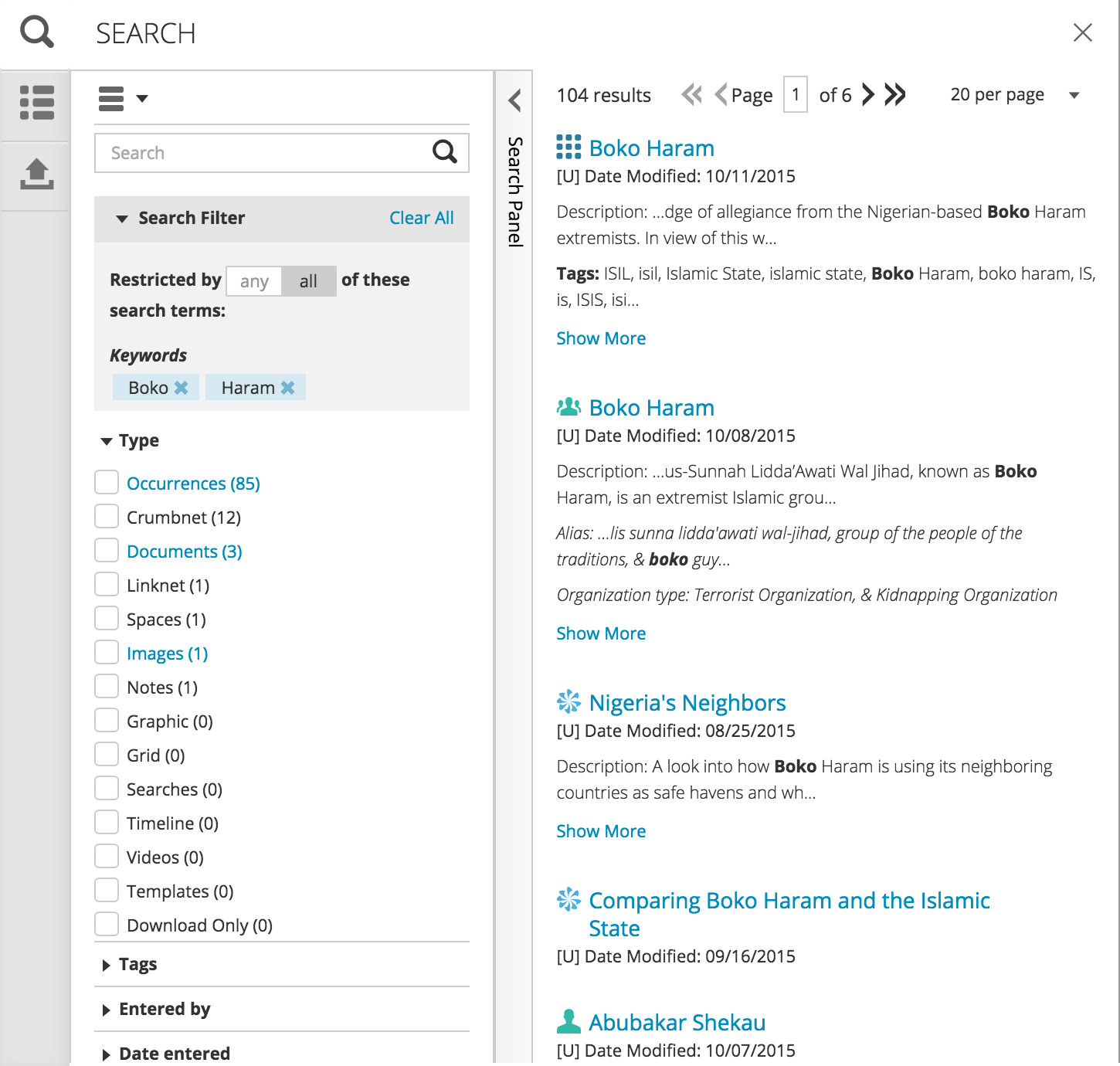
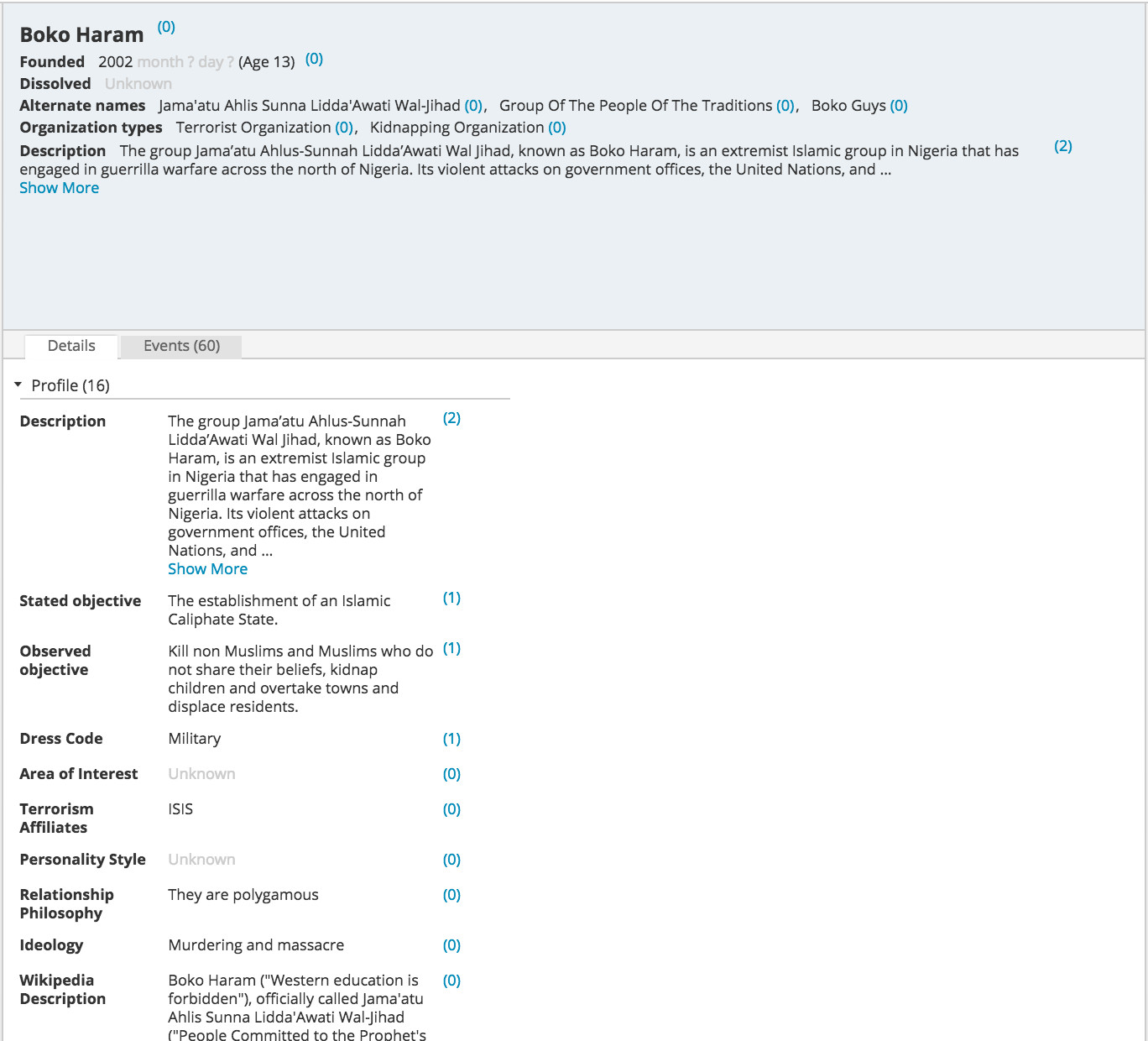
- Platform search across everything in the system at once: entities, documents, occurrences, maps, and networks, with faceted filtering to cut a hundred results down to the handful that matter.
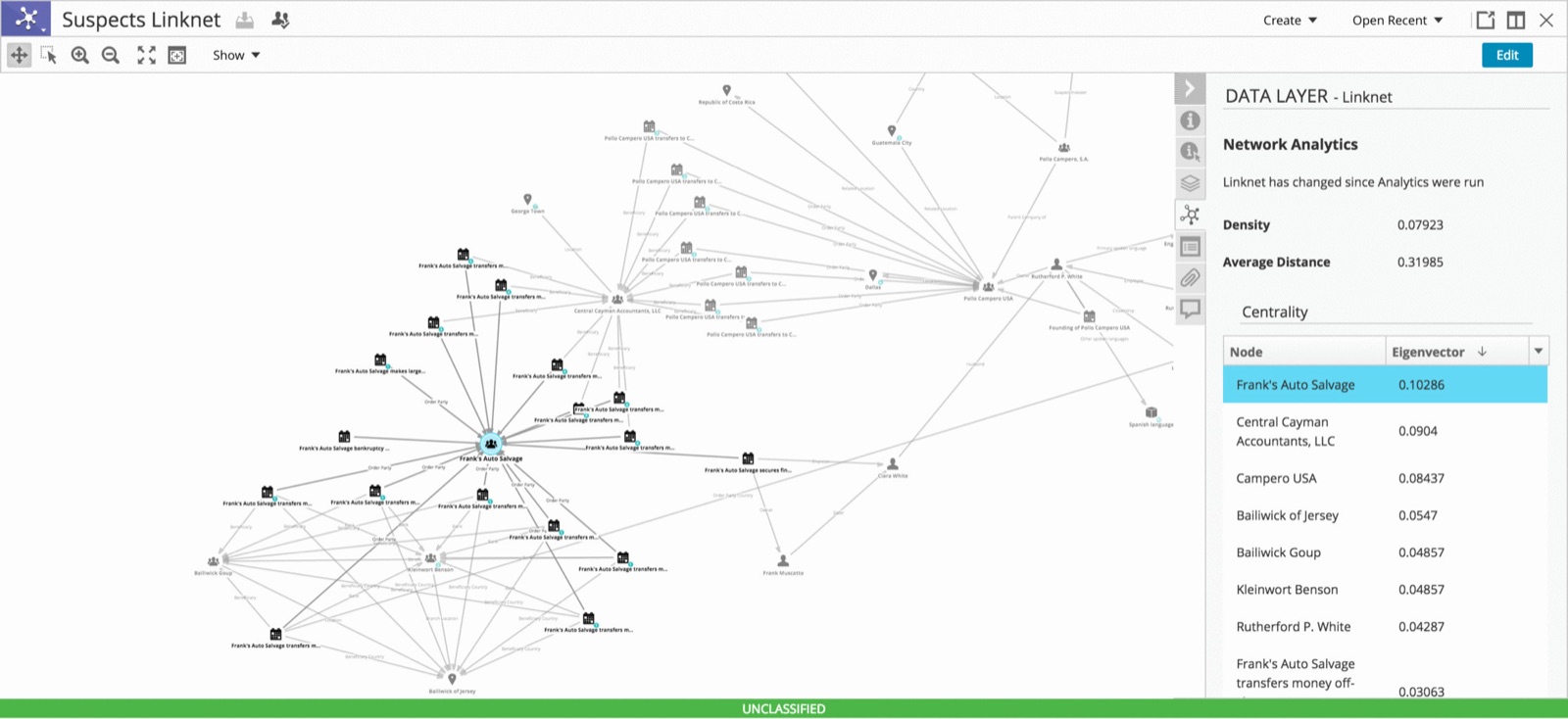
- LinkNet, for link and network analysis, with real graph analytics on top: density, average distance, and eigenvector centrality to surface the actor at the center of a network, not just the one with the most connections.
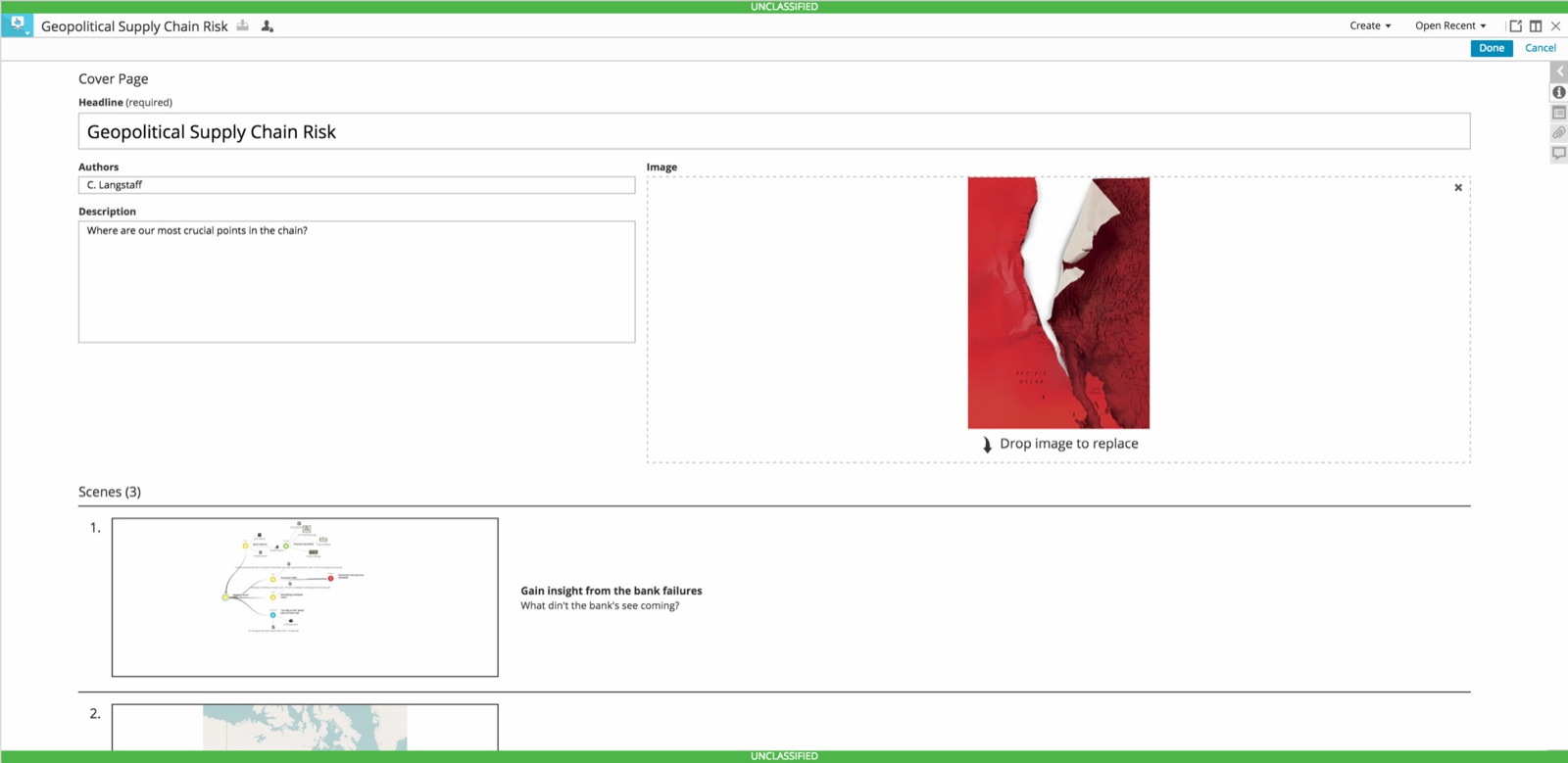
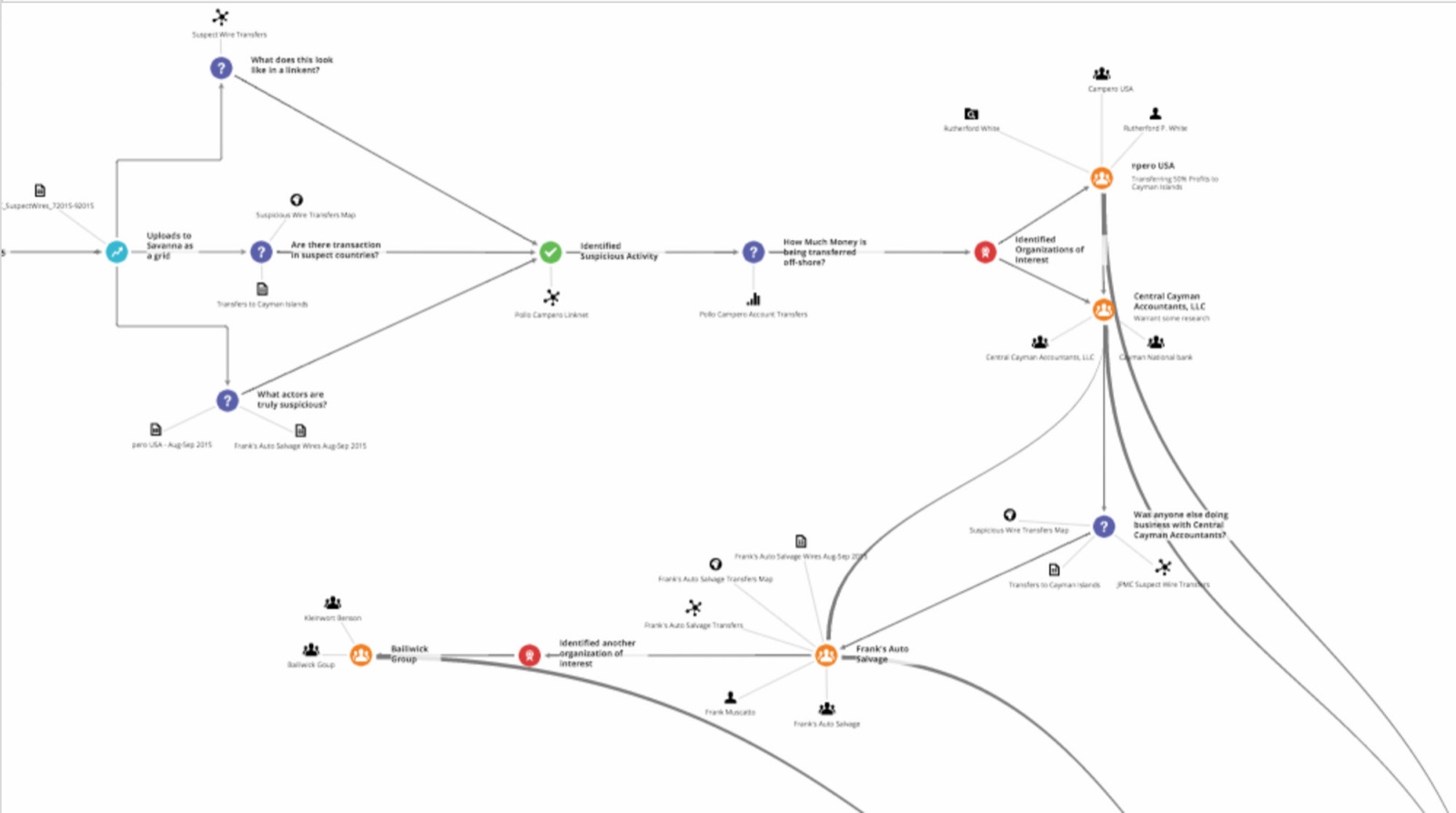
- A mind-mapping canvas (the "crumbnet") for laying out a line of reasoning and linking every claim to its evidence. We shipped it before RealtimeBoard became Miro.
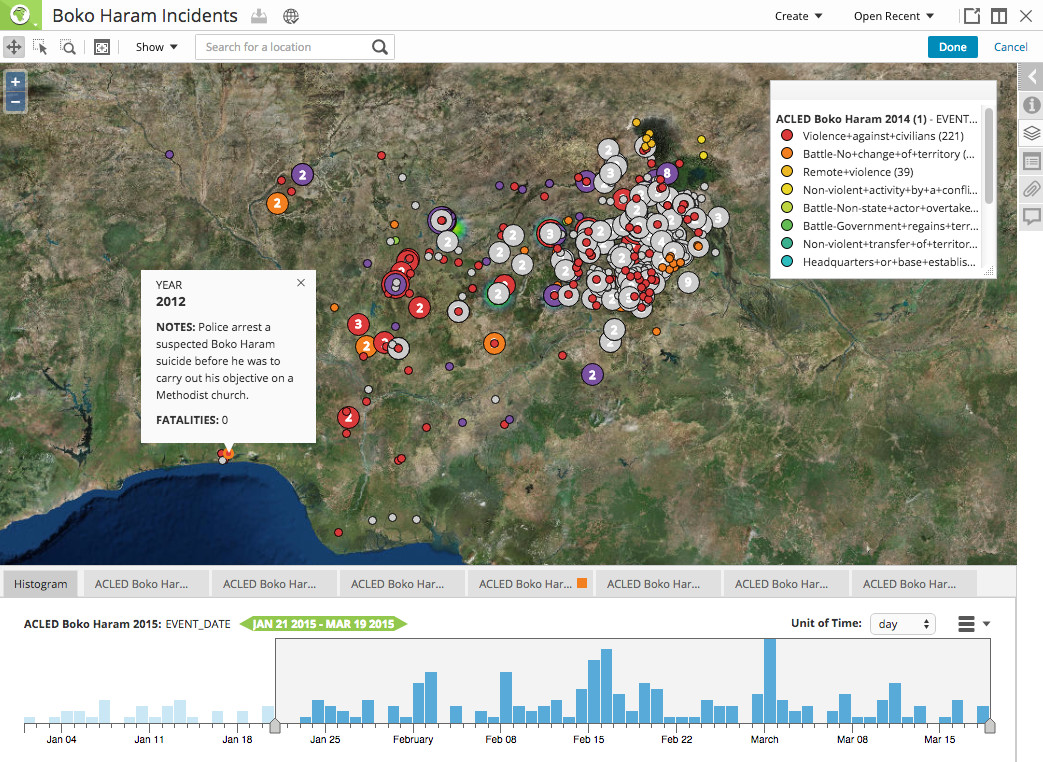
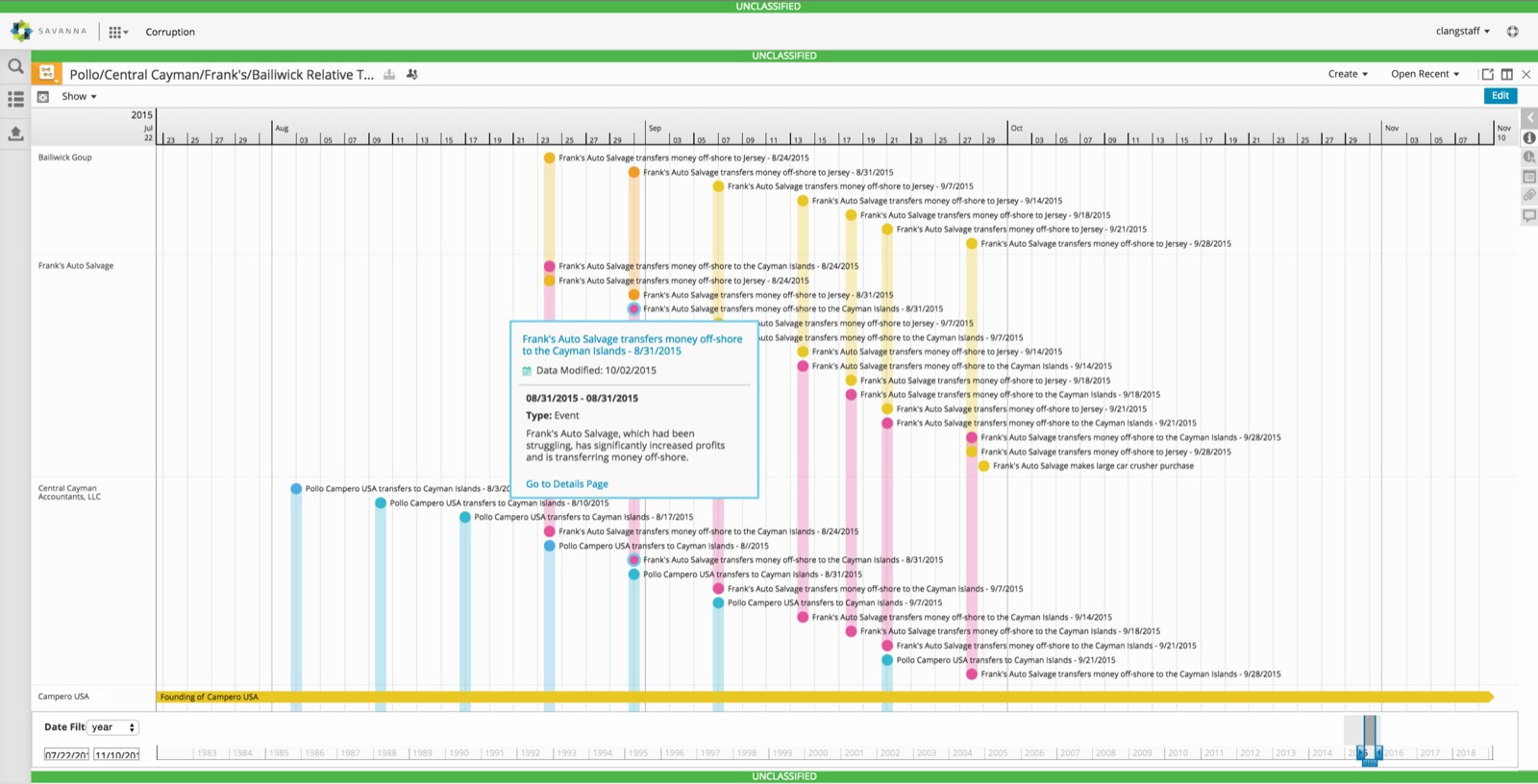
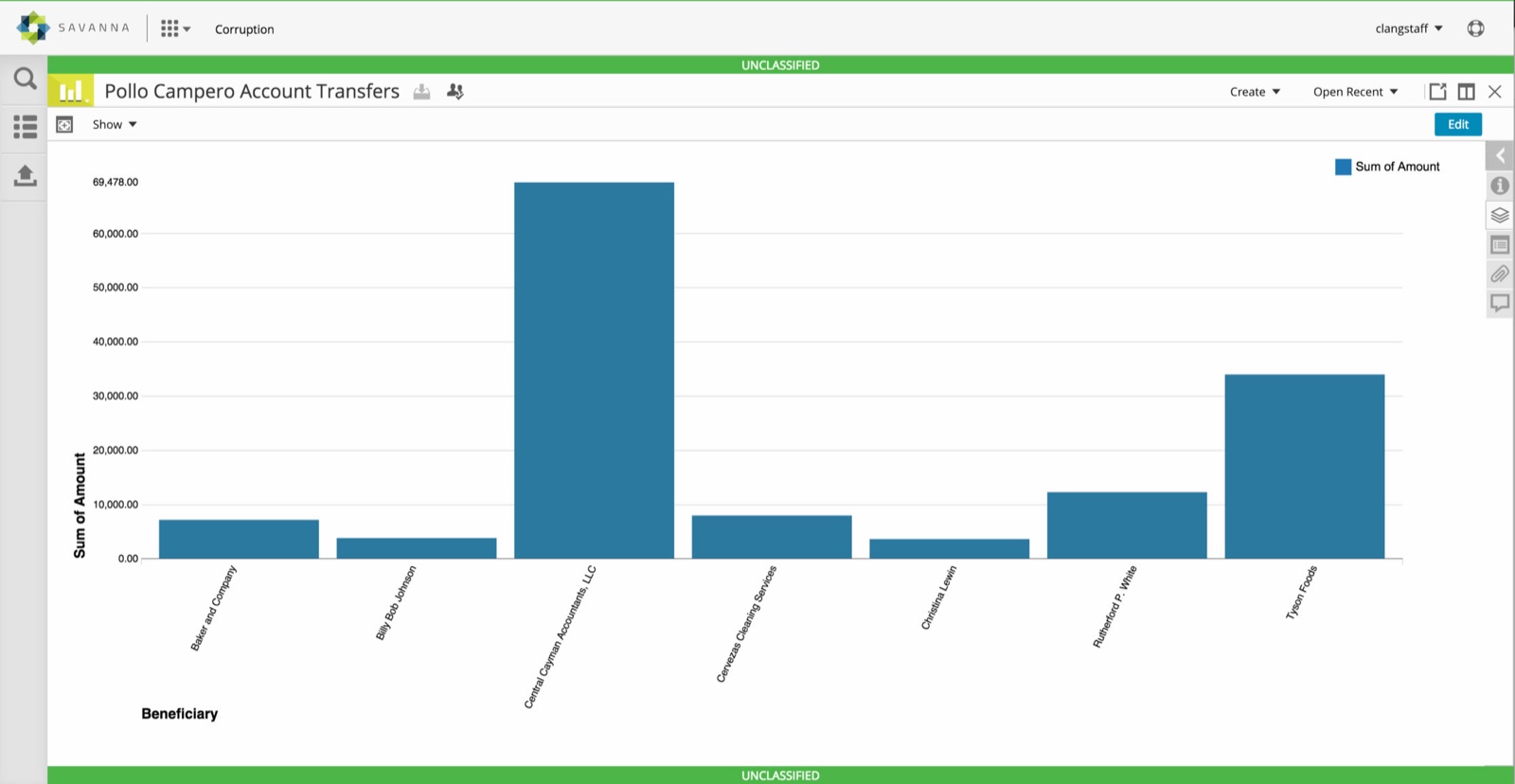
- Geospatial maps, timelines, and structured data views, so the same underlying facts could be seen as place, as sequence, or as quantity.
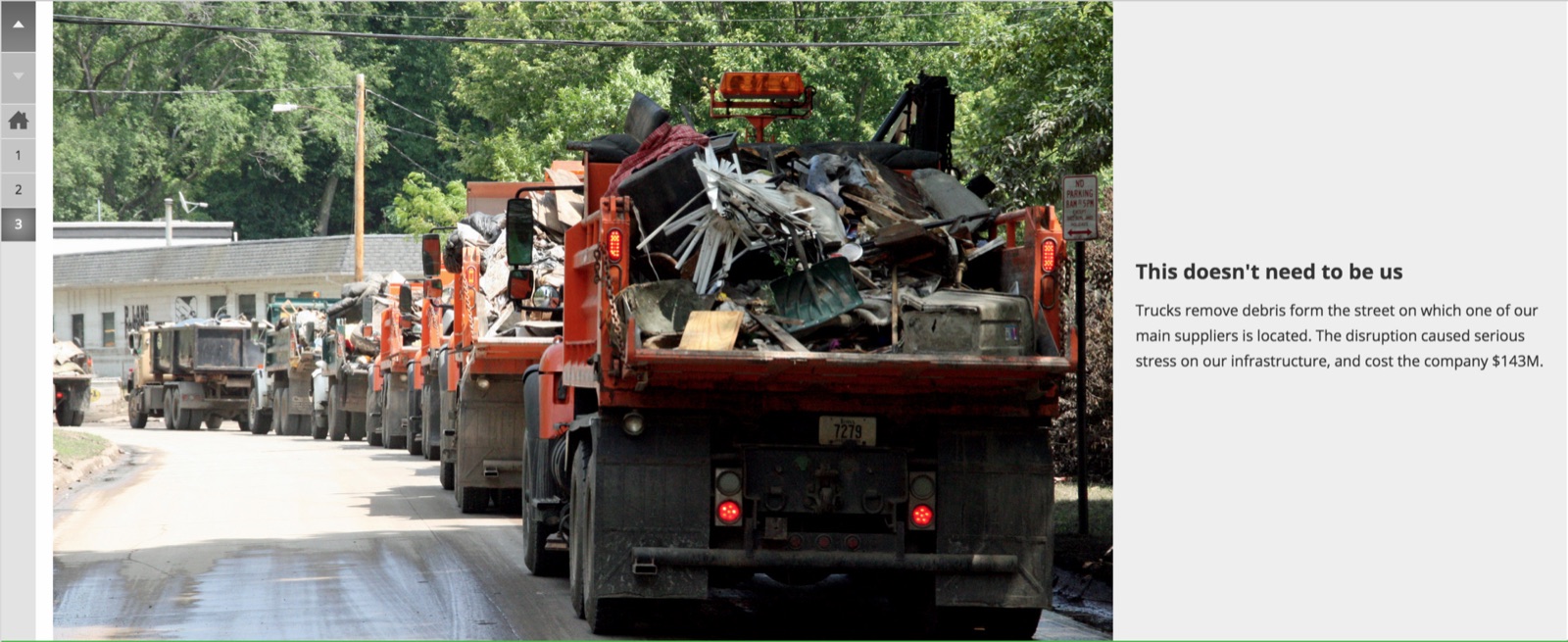
- Interactive readouts an analyst could assemble and export as a standalone website or presentation, so the finished analysis traveled without the tool.
Before I led the feature work, I was a systems engineer writing Python for data analysis and building the websites our CEO used for her own founder-led sales.
The Team
Small team, real stakes. This is where Savanna got built: a handful of engineers and analysts in one room, screens on every desk, whiteboards full, the office dog underfoot.

Built on Semantic Modeling
Savanna's edge was that it modeled meaning, not just keywords. It used ontologies to map real-world relationships, extract context from documents, and represent complex scenarios, which is what let analysts move from reacting to events toward anticipating them. It was all-source and multi-INT, open by design, pulling structured and unstructured data (and, through plugins, the open web) into one coherent model.
Why It Matters
Every finding in Savanna traced automatically back to its source. Open any conclusion and you could see the documents, the entries, and the people it came from.
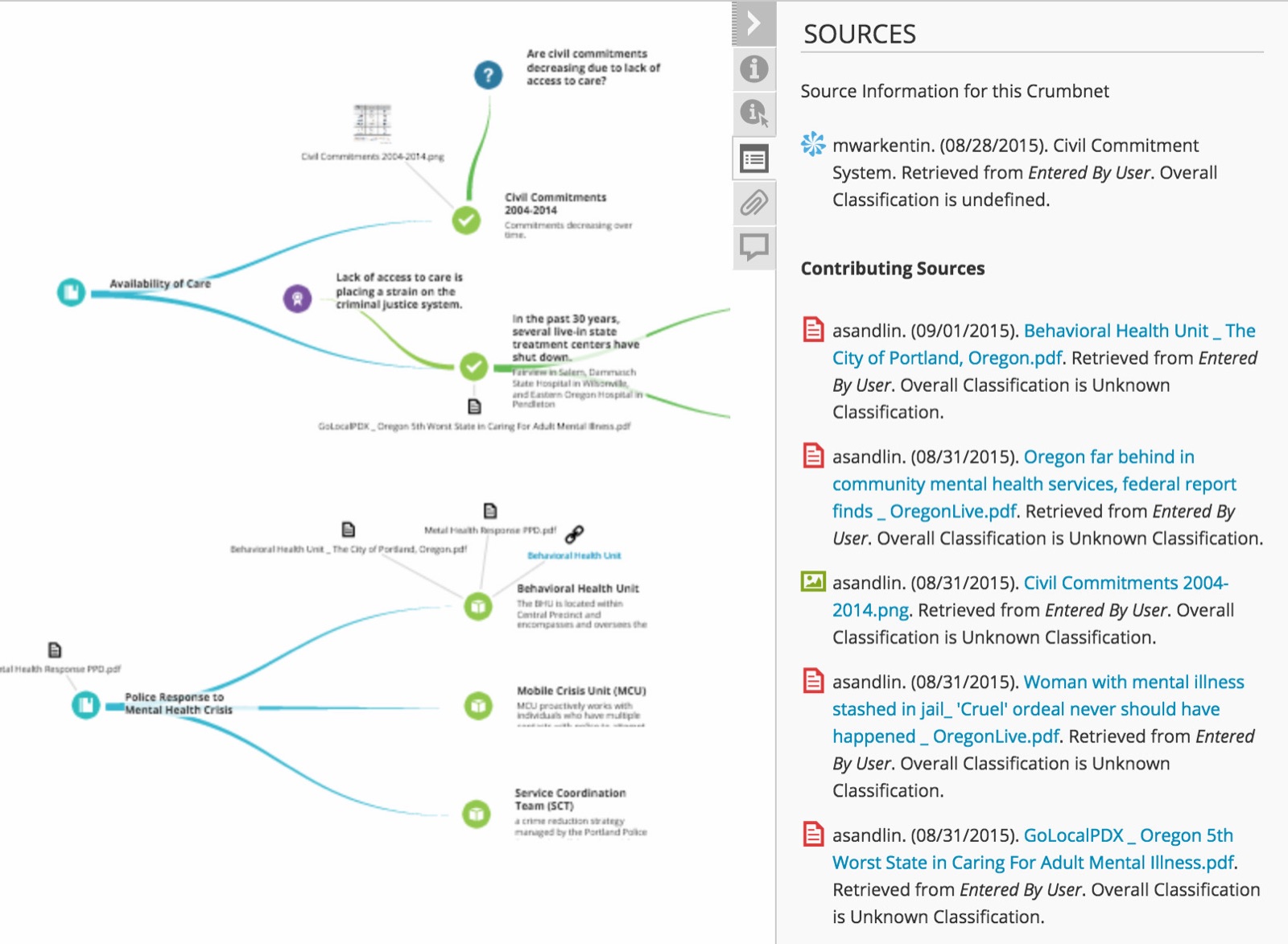
That is the entire thesis behind Calafai, shipped a decade early: you cannot trust an output if you cannot trust the information behind it. All-source synthesis, relationships modeled explicitly, and provenance on every claim. I was building this in 2014. I am building it again now.
Seen In Public
Savanna was written about at the time, and I wrote about the thinking behind it. See GovLoop's introduction to Thetus Savanna, the Savanna 4.7 plugins release on PR Newswire, and my own piece, A Collaborative All-Source Analysis Platform for the Modern Age.
Design Gallery